
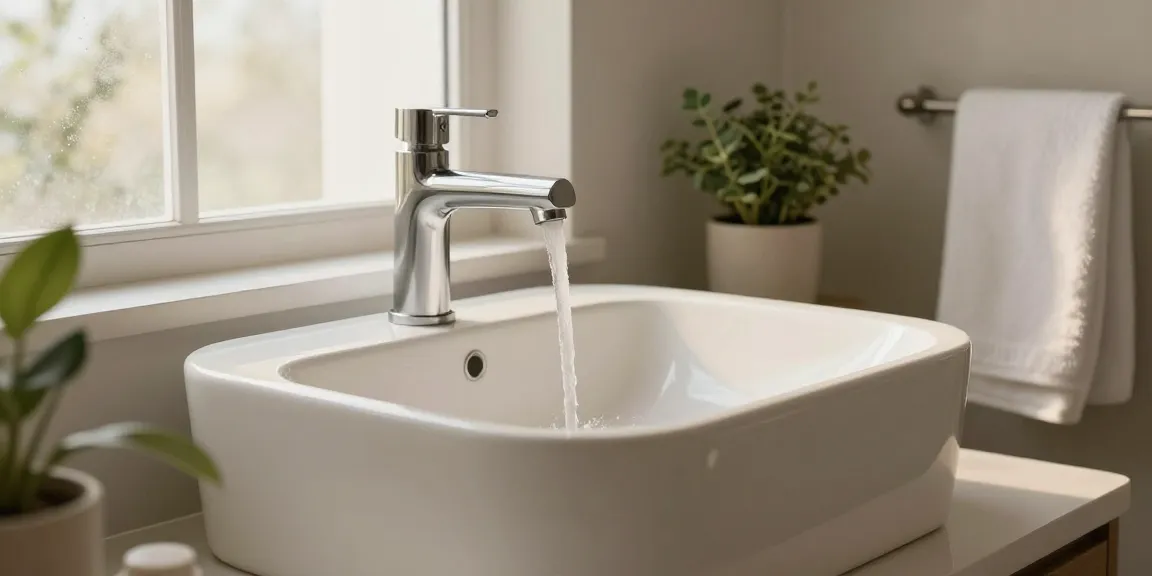
Understanding the Importance of an Ablution Wash Basin
The ablution wash basin plays a crucial role in many cultures and religious practices, providing a dedicated space for purification and cleanliness. As people increasingly recognize the importance of hygiene and ritual cleanliness, the design and functionality of ablution wash basins have evolved significantly. When exploring options, ablution wash basin manufacturers are ensuring these fixtures are not only practical but also aesthetically pleasing, catering to modern needs while respecting traditional values.
What is an Ablution Wash Basin?
An ablution wash basin, often referred to as a wudu wash basin in Islamic traditions, is specifically designed for the purpose of cleansing oneself before prayer. These basins are usually integrated into areas where religious practices are performed, such as mosques, but they can also be found in homes and community centers. Their primary function is to provide a hygienic way to perform ritual washing, ensuring that individuals are clean before engaging in spiritual activities.
Historical Context and Cultural Significance
The practice of ablution dates back thousands of years and is integral to various faiths, including Islam, Judaism, and Christianity. In Islamic tradition, wudu (ablution) is performed before prayers and involves washing the hands, mouth, nostrils, face, arms, head, and feet. Historically, the creation of specific wash basins reflects the importance placed on cleanliness and preparation for worship. Religious texts often emphasize purity, making the design and accessibility of ablution wash basins essential in places of worship and community spaces.
Benefits of Using a Quality Ablution Wash Basin
Investing in a high-quality ablution wash basin offers numerous advantages:
- Hygiene: A dedicated basin ensures that the washing area remains clean and free from contaminants, promoting better hygiene.
- Design: Modern ablution wash basins come in various styles, materials, and finishes, allowing them to fit seamlessly into both traditional and contemporary spaces.
- Functionality: Quality basins are designed with appropriate drainage and water control features, enhancing usability.
- Durability: Well-made basins from solid surface materials resist staining and damage, ensuring longevity.
Choosing the Right Ablution Wash Basin for Your Space
Materials and Design Considerations
Selecting the right materials for an ablution wash basin is crucial for durability and maintenance. Common materials include:
- Solid Surface: This versatile material is non-porous, easy to clean, and can be molded into various shapes and styles. It is ideal for high-traffic areas.
- Ceramic: Known for its classic appearance and durability, ceramic wash basins are traditional choices that can withstand daily use.
- Stainless Steel: For a modern touch, stainless steel offers a sleek look and is highly resistant to corrosion.
Size and Placement Best Practices
The size and placement of an ablution wash basin significantly impact its functionality and accessibility. It is essential to consider the following:
- Space Availability: Measure the available area to ensure the basin fits comfortably without overcrowding.
- User Accessibility: Place the basin at an accessible height and location, particularly in community settings, to facilitate use by people of all ages and abilities.
- Water Supply: Ensure that plumbing can adequately service the wash basin to prevent issues during high usage periods.
Innovative Features in Modern Wash Basins
Modern ablution wash basins are incorporating various innovative features to enhance user experience:
- Touchless Technology: Sensor-operated taps minimize contact, promoting better hygiene, especially in public spaces.
- Water Conservation: Basins equipped with low-flow fixtures help save water while maintaining performance.
- Integrated Drainage Systems: Efficient drainage designs reduce water pooling, improving cleanliness and safety.
Installation and Maintenance Tips
Step-by-Step Installation Guidelines
Installing an ablution wash basin can be a manageable DIY task or a job for professional plumbers. Here’s a step-by-step guide:
- Prepare the installation area by ensuring proper plumbing access and measurements.
- Install the basin according to the manufacturer’s instructions, securing it firmly and ensuring level placement.
- Connect the plumbing, including hot and cold water supply lines and drainage, making sure all connections are watertight.
- Test the basin by running water to check for leaks and ensure proper drainage.
Essential Maintenance Practices for Longevity
To extend the life of your ablution wash basin, regular maintenance is key:
- Regular Cleaning: Clean with non-abrasive cleaners to avoid scratches and maintain appearance.
- Avoid Harsh Chemicals: Some cleaning agents can damage the surface; opt for gentle solutions.
- Inspect for Damage: Regularly check for cracks or wear, particularly in high-traffic settings, and address issues promptly.
Common Issues and How to Troubleshoot
Sometimes, problems arise with ablution wash basins. Here’s how to troubleshoot:
- Clogged Drains: Use a plunger or a plumber’s snake to clear minor clogs; avoid using harsh chemical drain cleaners.
- Leaks: Check all connections; tighten or replace faulty fittings as necessary.
- Stains: Treat stains immediately with appropriate cleaners to prevent permanent damage.
Future Trends in Ablution Wash Basins
Emerging Materials and Technologies
The market for ablution wash basins is evolving, driven by advancements in materials and technology:
- Biodegradable Materials: As sustainability becomes a primary focus, manufacturers are exploring eco-friendly materials that decompose without harming the environment.
- Smart Features: Integration of technology, such as app-controlled features for temperature and water flow, is becoming more prevalent.
- Modular Designs: Customizable and modular basins allow users to tailor their wash stations to specific needs and aesthetics.
Eco-Friendly and Sustainable Innovations
With growing concerns over environmental impact, the industry is seeing a shift towards sustainability:
- Water-Saving Designs: Ablution wash basins are now designed with water efficiency in mind, using modern technology to reduce water waste.
- Recycled Materials: Many manufacturers are incorporating recycled materials into their products without compromising quality or aesthetics.
Design Trends to Watch in 2026
As we look towards the future, several design trends are emerging in ablution wash basins:
- Minimalist Aesthetics: Clean lines and uncluttered designs are becoming more popular, catering to modern tastes.
- Natural Elements: Incorporating natural stones and organic shapes to enhance the connection to nature.
- Bold Colors: A shift towards vibrant colors and patterns to create statement pieces in bathrooms and prayer spaces.
FAQs About Ablution Wash Basins
How do I clean and maintain my ablution wash basin?
Regular cleaning with non-abrasive cleaners and inspecting for damage can help maintain your wash basin. Avoid harsh chemicals to prolong its lifespan.
What materials are best for a modern ablution wash basin?
Solid surface materials are highly recommended due to their durability and versatility, while ceramic and stainless steel are traditional favorites.
Can I customize my ablution wash basin design?
Many manufacturers offer customizable options to ensure the basin fits your specific preferences and style.
What size wash basin is appropriate for my bathroom?
The size of the wash basin should correspond to the available space, ensuring accessibility while maintaining aesthetic appeal.
Are there any plumbing requirements for installation?
Yes, proper plumbing is essential, including adequate water supply and drainage, to ensure effective and hygienic operation.