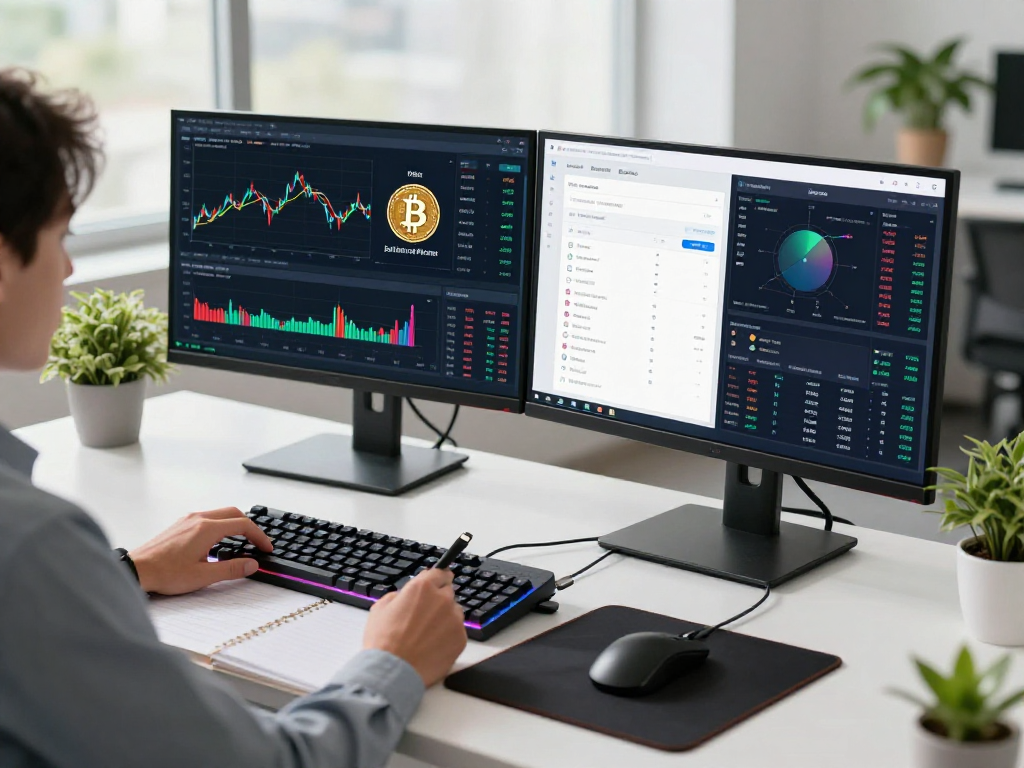
Understanding AI Trading Software and Its Impact
As the cryptocurrency market continues to evolve, technologies that enhance trading efficiency and profitability are becoming pivotal. AI trading software stands out in this landscape, leveraging artificial intelligence to optimize trading strategies and automate decision-making processes. These systems analyze vast amounts of data, spotting trends and anomalies that human traders may overlook. For those interested in exploring the potential of automation in trading, Ai Trading Software presents innovative solutions that promise a streamlined trading experience without the traditional complexities of manual execution.
What is AI Trading Software?
AI trading software refers to programs that utilize algorithms driven by artificial intelligence technology to facilitate automated trading activities. These systems often employ machine learning models that learn from historical data patterns, allowing them to make predictive analyses about future market movements. By harnessing data feeds from various cryptocurrency exchanges and incorporating historical price movements, AI trading software can execute trades at unprecedented speeds, minimizing the lag that can occur with human involvement.
The Mechanics Behind AI Trading Algorithms
The core functionality of AI trading software lies in its algorithms. These algorithms can be categorized into several types, including:
- Statistical Arbitrage: This method takes advantage of price discrepancies between correlated assets.
- Trend Following: This approach identifies upward or downward trends in the market and executes trades based on predicted movements.
- Sentiment Analysis: AI systems analyze news articles, social media, and other public sentiment sources to gauge market sentiment and make data-driven trades.
By utilizing these strategies, AI trading software can help traders capitalize on opportunities more efficiently than traditional methods.
Benefits of Automated Trading Solutions
The advantages of utilizing AI trading software include:
- Speed: AI algorithms can execute trades in milliseconds, reacting to market changes faster than human traders.
- Elimination of Emotion: Automated systems remove psychological biases and emotions from trading decisions, ensuring strategies are followed consistently.
- Data Processing: AI can analyze vast datasets unachievable for manual traders, providing insights that lead to more informed trading decisions.
Exploring Crypto Arbitrage Strategies
Arbitrage in the cryptocurrency market involves buying and selling assets simultaneously across different exchanges to take advantage of price differentials. The increasing number of exchanges and crypto assets amplifies the opportunities for arbitrage, making this strategy attractive to algorithmic traders.
Understanding Market Inefficiencies
Market inefficiencies occur due to variances in prices across different exchanges and geographic locations. Factors such as liquidity, trading volumes, and local regulations can create opportunities for arbitrage. AI trading software can continuously monitor multiple exchanges for these price differences, facilitating real-time transactions to capitalize on these inefficiencies.
Configuring Arbitrage Engines for Optimal Performance
To optimize crypto arbitrage strategies, traders can configure arbitrage engines that analyze market conditions, track price spreads, and execute trades automatically based on customizable rules. These configurations allow for variation in strategies depending on market conditions, with engines capable of assessing risk thresholds and adjusting accordingly.
Comparative Analysis with Traditional Trading Methods
Comparatively, traditional trading methods often require manual oversight, which can delay responses to market changes and lead to missed opportunities. In contrast, AI-driven arbitrage strategies leverage machine learning models to continuously adapt to market dynamics, significantly improving execution efficiency.
Maximizing Security in Crypto Trading
As the adoption of AI trading software rises, so does the need for robust security measures. Ensuring the security of crypto assets and trading activities requires a multifaceted approach.
Best Practices for Wallet Security
Security best practices for cryptocurrency wallets include using hardware wallets for cold storage, enabling two-factor authentication (2FA), and regularly updating wallet software to protect against vulnerabilities. Users should also follow strict measures for private key management, ensuring that keys are stored securely and not shared with unauthorized parties.
Understanding Two-Factor Authentication
Two-factor authentication adds an additional layer of security during login and transaction confirmations, requiring a user to provide not only a password but also a second verification method. This significantly reduces the risk of unauthorized access to trading accounts.
Recognizing and Preventing Common Scams
Common scams in the cryptocurrency space include phishing attacks, fake exchanges, and Ponzi schemes. Traders must remain vigilant and educate themselves about emerging scams to avoid falling victim.
Diving Deep into Decentralized Finance (DeFi)
Decentralized Finance (DeFi) platforms are gaining traction as innovative alternatives to traditional financial systems, offering services like lending, borrowing, and trading without intermediaries.
Yield Farming and Liquidity Pools Explained
Yield farming involves lending assets within DeFi ecosystems to earn interest or rewards, whereas liquidity pools allow users to deposit assets that facilitate trading on decentralized exchanges. Both strategies highlight the potential earnings in DeFi, but they also come with associated risks, including impermanent loss.
Integrating AI in DeFi Applications
AI can enhance DeFi applications by improving risk assessment, automating yield farming strategies, and optimizing liquidity management. Through predictive modeling, AI can forecast trends and suggest the best investment strategies to users.
Risks and Rewards of DeFi Investments
While DeFi has the potential for high returns, it also poses risks such as smart contract vulnerabilities and market volatility. Investors should carefully consider their risk tolerance and conduct thorough research before engaging with DeFi protocols.
Market Trends and Future Prospects
The cryptocurrency landscape continues to evolve, shaped by technological advancements and regulatory developments.
Emerging Technologies in Blockchain
Innovations such as layer-2 scaling solutions, sharding, and zero-knowledge proofs are gaining traction in the blockchain space, enhancing transaction speeds and privacy while reducing fees. These technologies highlight the ongoing improvements in scalability and user experience.
Analyzing Regulatory Changes and Their Impact
As the cryptocurrency market matures, regulatory landscapes across various jurisdictions are being established to provide clearer frameworks for participants. Such regulations will impact market accessibility and compliance requirements for exchanges and investors alike.
Future of AI Trading in Cryptocurrency Markets
The integration of AI trading solutions is likely to deepen, with advancements in algorithms and market analytics promising higher returns and efficiency. As the adoption of blockchain technology increases, so will the interplay between AI and finance, shaping future trading paradigms.
What types of AI trading software are available?
A variety of AI trading software solutions are available, each tailored to specific trading strategies and asset types. These range from stock trading bots to those specialized in cryptocurrency arbitrage, providing customizable features based on trader needs.
Can AI trading software replace human traders?
While AI trading software can automate many tasks, the need for human insight remains vital. AI systems can enhance trading efficacy, but human traders are essential for strategic decision-making and navigating complex market scenarios.
How to choose the best AI trading software for crypto?
Choosing the right AI trading software involves assessing factors such as user interface, customization options, supported exchanges, and performance track records. Additionally, consider security features and customer support when making your choice.
What are the risks of using AI trading software?
Risks associated with AI trading software include algorithmic failures, unexpected market volatility, and reliance on data quality. Users should implement appropriate risk management strategies and maintain awareness of market conditions.
Is AI trading software compliant with current regulations?
Regulatory compliance for AI trading software varies by region. Investors should ensure that the platforms they use adhere to local laws and regulations, including those related to anti-money laundering (AML) and know your customer (KYC) requirements.
This article aims to enhance your understanding of the intricate world of cryptocurrency trading and the impact of cutting-edge innovations like AI trading software. The potential for automated trading systems is vast, yet they require careful consideration, particularly regarding security and regulatory compliance. Always remember that cryptocurrency investments are high-risk and past performance does not guarantee future results. Always perform due diligence and consult a qualified financial advisor before diving into investments.