Understanding Machined Stainless Steel Parts
In the world of engineering and manufacturing, precision and durability are paramount. Machined stainless steel parts have gained significant attention due to their unparalleled performance characteristics and versatility across various industries. These components are essential for everything from automotive and aerospace applications to medical devices and consumer electronics. By leveraging advanced machining techniques, manufacturers can create parts that meet stringent specifications, ensuring reliability and longevity. When exploring options, machined stainless steel parts provide comprehensive insights into their capabilities and benefits.
What are Machined Stainless Steel Parts?
Machined stainless steel parts refer to components crafted from stainless steel through various machining processes, such as CNC (Computer Numerical Control) machining, drilling, milling, and turning. These parts are characterized by their intricate designs, precise dimensions, and high-quality finishes necessary for functionality and aesthetics. Stainless steel, known for its corrosion resistance and strength, is an ideal material for machining in critical applications where durability is crucial.
The Benefits of Using Stainless Steel for Machining
- Corrosion Resistance: Stainless steel possesses superb resistance to corrosion, making it suitable for harsh environments, including marine and industrial applications.
- Strength and Durability: The material's inherent strength allows for the fabrication of components that can withstand significant loads and stresses.
- Ease of Machining: Certain grades of stainless steel, such as 304 and 316, are specifically designed for enhanced machinability, allowing for more efficient production.
- Hygienic Properties: Stainless steel is non-porous and can be easily cleaned, making it ideal for industries like food processing and pharmaceuticals.
- Aesthetic Appeal: The polished finish of machined stainless steel parts can enhance product appearance, making them suitable for consumer-facing applications.
Common Applications in Various Industries
Machined stainless steel parts are utilized across a myriad of sectors, including:
- Aerospace: Components such as brackets and housings that require stringent weight and performance specifications.
- Automotive: Engine components, fasteners, and structural parts that need to endure harsh conditions.
- Medical Devices: Surgical instruments and implants that must meet high standards for safety and biocompatibility.
- Food Industry: Equipment and tools that require frequent sanitation and are subject to corrosive environments.
- Electronics: Chassis and connectors where both performance and appearance are vital.
Machining Processes for Stainless Steel Parts
Overview of CNC Machining Techniques
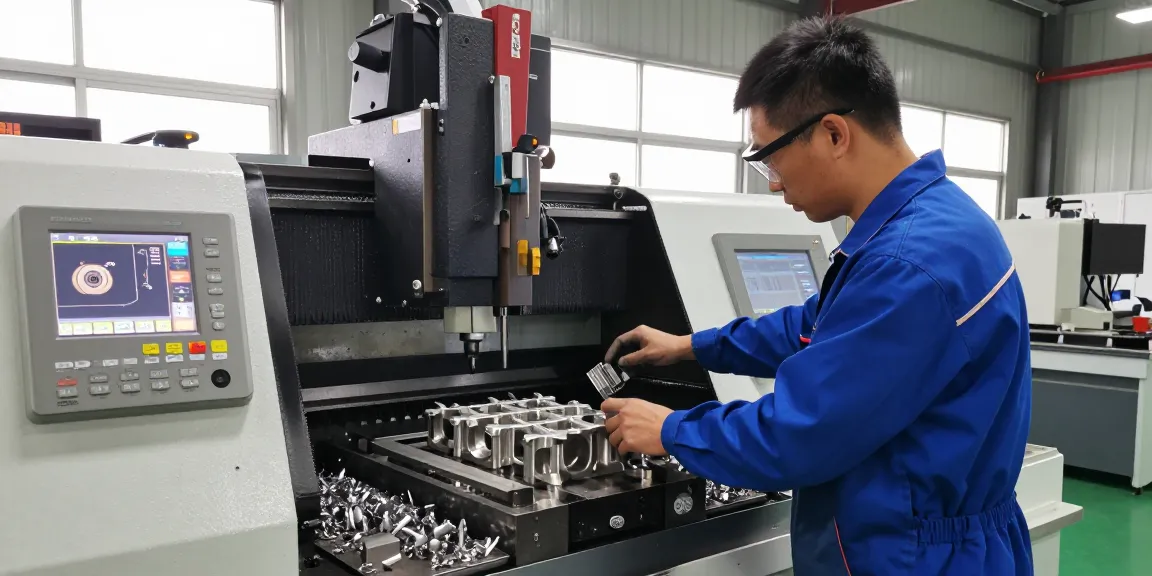
CNC machining is one of the most prevalent methods for creating machined stainless steel parts. This technique utilizes computerized controls to operate machinery, allowing for precise cuts and repeatable outcomes. Key operations in CNC machining include milling, turning, and grinding, each tailored to achieve different shapes and finishes. For instance, milling can produce complex geometries, while turning is effective for cylindrical parts. The adaptability and precision of CNC machining make it ideal for meeting custom specifications in large production runs.
Comparing Traditional vs. Modern Machining Methods
Traditional machining methods, such as manual milling and turning, rely heavily on the operator's skill to achieve the desired results but can be limited in terms of precision and repeatability. In contrast, modern CNC machining processes are automated, reducing the risk of human error and increasing efficiency. This shift allows manufacturers to produce intricate designs with tighter tolerances, thereby expanding opportunities for innovation in product design.
Tooling and Equipment Needs for Stainless Steel Machining
Efficient machining of stainless steel requires specialized tooling and equipment due to the hardness and toughness of the material. High-speed steel (HSS) tools and carbide inserts are commonly used as they can withstand the pressures associated with machining stainless steel. Additionally, the choice of cutting fluid plays a significant role in the machining process, helping to dissipate heat and prolong tool life. Understanding these needs is crucial for manufacturers looking to optimize their machining operations.
Challenges in Machining Stainless Steel Parts
Common Machining Difficulties and Solutions
Despite its advantages, machining stainless steel presents unique challenges. One common issue is tool wear; the hardness of stainless steel can quickly dull cutting tools. To mitigate this, manufacturers can utilize coatings or select tools designed specifically for stainless steel machining. Additionally, maintaining proper cutting speeds and feeds will enhance tool life and improve surface finish.
Addressing Material Properties and Behavior
The properties of stainless steel, such as its work hardening tendency, can complicate the machining process. When a tool bites into the material, it may create a hard layer on the surface, resulting in increased cutting resistance. Utilizing the right cutting parameters and strategies, such as applying heat through machining or using mechanical vibrations, can help manage these issues effectively.
Cost Considerations and Budgeting for Projects
Budgeting for projects involving machined stainless steel parts requires careful consideration of raw material costs, tooling expenses, and machining time. Stainless steel can be more expensive than other materials, but its durability often justifies the investment. Manufacturers may also explore options for bulk purchasing or partnering with suppliers to reduce costs. Proper planning and analysis of these factors are essential for ensuring profitability in stainless steel machining projects.
Trends and Innovations in Stainless Steel Machining
Technological Advancements in CNC Machinery
The landscape of stainless steel machining is continually evolving, with technological advancements leading the way. Innovations such as additive manufacturing and hybrid machining technologies are gaining traction, allowing for the creation of complex geometries that were previously impossible. Furthermore, enhanced software solutions provide better design capabilities and process simulation, enabling manufacturers to optimize their workflows and reduce lead times.
Sustainable Practices in Manufacturing
As sustainability becomes increasingly important in manufacturing, there is a growing emphasis on eco-friendly machining practices. This includes reducing waste through efficient machining techniques, recycling scrap material, and utilizing sustainable energy sources to power machinery. Manufacturers are also exploring biodegradable cutting fluids and tools made from recycled materials, contributing to a greener manufacturing process.
Future Trends: What to Expect in 2026
Looking ahead to 2026, we can expect to see further integration of artificial intelligence (AI) and machine learning in stainless steel machining. These technologies will enable predictive maintenance, improving operational efficiency and reducing downtime. Additionally, the demand for customization and rapid prototyping will drive innovation, encouraging manufacturers to invest in flexible machining systems capable of adapting to changing market needs.
Finding Reliable Machined Stainless Steel Parts Suppliers
Key Factors to Consider When Choosing a Supplier
Selecting the right supplier for machined stainless steel parts is critical for ensuring quality and reliability. Key factors to consider include the supplier’s experience with stainless steel, their machining capabilities, lead times, and customer service. Additionally, reviewing case studies or testimonials from previous clients can provide insights into their performance and reliability.
Importance of Quality Assurance and Certifications
Quality assurance is paramount in the production of machined stainless steel parts. Suppliers should adhere to industry standards and possess relevant certifications, such as ISO 9001. These certifications indicate that the supplier has established a robust quality management system, ensuring consistent product quality and customer satisfaction. Verification of these qualifications can safeguard against costly mistakes in production.
Resources for Locating Reputable Manufacturers
To find reputable manufacturers of machined stainless steel parts, companies can utilize resources like industry trade shows, online directories, and professional associations. Networking within industry groups can also yield recommendations for reliable suppliers. Leveraging these resources can streamline the supplier selection process, ensuring businesses connect with quality manufacturers that meet their specifications.
What types of stainless steel are best for machining?
The most machinable stainless steel grades include 303, 304, and 316. Grade 303 is often favored for its ease of machining, while 304 offers an excellent balance of corrosion resistance and machinability, making it popular in many applications. Grade 316, although slightly more challenging to machine due to its higher nickel content, is preferred for applications requiring superior corrosion resistance.
How to improve machinability of stainless steel parts?
Improving the machinability of stainless steel parts can involve several strategies: selecting the right tool materials and coatings, optimizing cutting speeds and feeds, and utilizing cooling or lubrication systems to reduce heat buildup. Additionally, adjusting the geometry of cutting tools can enhance performance by minimizing cutting forces.
What are common applications for machined stainless steel parts?
Common applications for machined stainless steel parts include fasteners in construction, surgical instruments in the medical field, components in the aerospace industry, and parts for food processing equipment. Each application requires specific considerations regarding strength, corrosion resistance, and precision.
What is the cost comparison between stainless steel and aluminum machining?
Stainless steel generally incurs higher raw material costs than aluminum; however, the longevity and durability of stainless steel can offset these costs over the lifetime of the product. Additionally, the machining processes for stainless steel may require more specialized tools and techniques, which can increase labor and tooling costs compared to aluminum machining.
How do machining tolerances affect performance in stainless steel parts?
Machining tolerances play a critical role in the performance of stainless steel parts. Tight tolerances are essential for components that require precise fit and function, such as in aerospace applications. Failure to achieve the specified tolerances can lead to increased wear, malfunction, or even catastrophic failure in critical systems.