
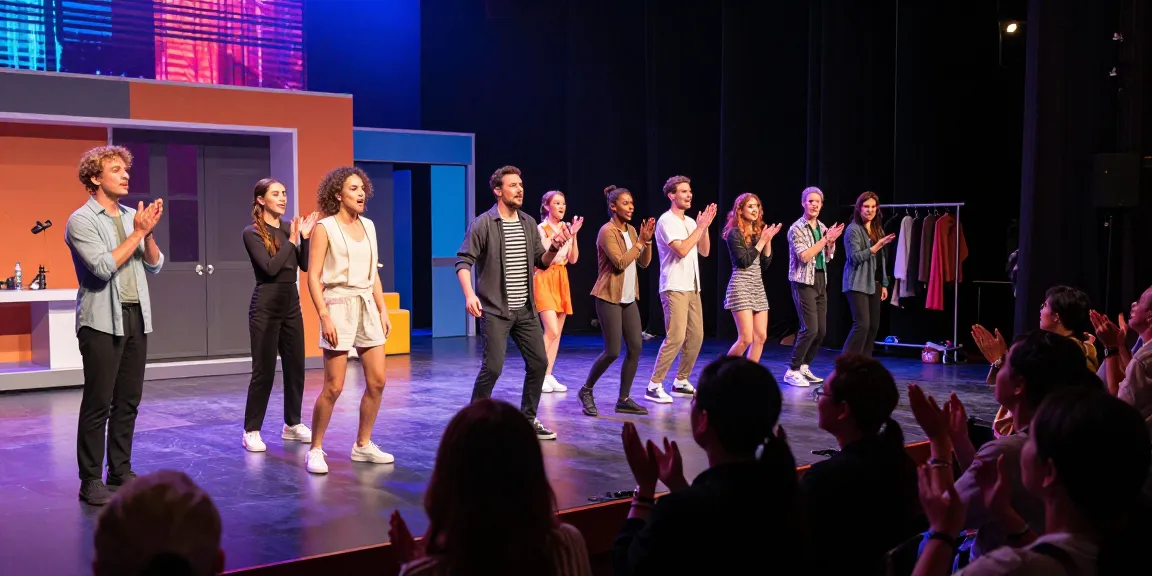
The Evolution of Modern Theater: Understanding Rokok 88
The world of theater has undergone tremendous transformations over the centuries, evolving from ancient rituals to complex modern performances. ROKOK88 stands at the forefront of this evolution, acting as a hub for enthusiasts to explore contemporary theater, popular culture, and the latest trends in digital entertainment. By articulating a rich blend of insights regarding performance arts, ROKOK88 provides an essential resource for those seeking to understand the dynamic landscape of modern theater. As we navigate through this article, we’ll explore the historical context, current trends, and what the future holds for performers and audiences alike in this vibrant realm.
For those looking to delve deeper into this fascinating world, ROKOK88 offers a wealth of information and updates. Whether you’re an avid theater-goer or a curious newcomer, rokok 88 serves as a reliable guide through the many dimensions of modern performance arts.
Historical Overview of Theater and Entertainment
Theater, as an art form, has roots that trace back to ancient civilizations. The Greeks and Romans introduced structured performances that combined storytelling, music, and dance, creating a foundation for what we recognize today. Fast forward to the Renaissance, where theater experienced a rebirth, characterized by Shakespearean plays that blended drama with deep human emotions. Throughout the 19th and 20th centuries, as society evolved, so did the expectations and forms of theater, incorporating realism and later, modernism.
In today’s context, we see a blend of traditional and innovative practices. The rise of digital media has drastically altered how performances are created, produced, and consumed, with streaming services and social media playing pivotal roles.
The Impact of Digital Media on Live Performances
Digital media has fundamentally transformed the landscape of live theater in several ways. For instance, many theater companies are now leveraging social media platforms to promote their productions and engage with audiences. Moreover, digital streaming platforms allow performances to reach a global audience, transcending geographical barriers. This shift has led to a hybrid model of theatrical performance where live shows and online viewership coexist.
It’s crucial for modern theater practitioners to embrace these changes, harnessing technological advancements that not only elevate the audience experience but also expand their reach. The emergence of augmented reality and virtual reality is reshaping how stories are told, providing immersive experiences that traditional theaters cannot replicate.
Understanding Audience Expectations in 2026
As we look ahead to 2026, audience expectations are poised to evolve further. Today’s audiences seek more than just a passive viewing experience; they crave interaction and engagement. Performances that integrate technology, such as mobile apps for interactive storytelling or live polls during shows, are gaining traction. Understanding these shifting expectations is vital, as they can drastically influence box office numbers and overall reception of performances.
Furthermore, audience demographics are becoming more diverse, necessitating a broader representation of stories that resonate across various cultural backgrounds. This includes not only the themes of the performances but also the diversity of the performers themselves.
Essential Elements of Modern Performance Arts
Key Components of a Successful Theater Production
A successful theater production comprises several essential elements, including a compelling script, talented actors, and effective direction. Each component plays a critical role in bringing the story to life and ensuring that the audience is captivated. A well-crafted script that resonates with contemporary themes will draw in viewers and encourage repeat attendance.
The collaboration between directors and actors is equally important; skilled direction can elevate a performance, guiding actors toward authentic emotional portrayals. Additionally, the contributions of technical teams, including lighting and sound designers, are vital in creating the atmosphere and enhancing the overall aesthetic of the production.
Incorporating Technology: The Role of Multimedia
Multimedia elements have become an integral part of modern theater, allowing for innovative storytelling techniques. Projections, digital backdrops, and interactive set designs can augment the narrative, creating a multi-sensory experience for audiences. This integration of technology not only captivates viewers but also opens new avenues for artistic expression.
Furthermore, incorporating technology can address logistical challenges, such as budget constraints or venue limitations, offering creative solutions for staging productions without compromising on quality.
The Importance of Scriptwriting and Direction
At the heart of every compelling performance lies a strong script, serving as the blueprint for the production. Scriptwriters are tasked with weaving narratives that resonate emotionally with audiences while remaining engaging and thought-provoking. Direction is equally crucial, as directors interpret the script, crafting a vision that brings the story to life on stage.
The collaboration between the scriptwriter and the director is foundational, as both must align their creative visions to ensure a cohesive production that captures the audience’s imagination.
Engaging Your Audience: Strategies from Rokok 88
Interactive Techniques to Enhance the Viewer Experience
Modern audiences crave interactive experiences, and theater is no exception. Techniques such as audience participation, where viewers may contribute to the narrative, have become increasingly popular. This level of engagement fosters a deeper connection with the story being told and can enhance viewer investment in the performance.
Additionally, incorporating technology, such as apps that allow audiences to choose different paths for characters, can create a uniquely personalized experience that attracts tech-savvy viewers.
Utilizing Social Media for Audience Connection
Social media serves as a powerful tool for engaging with audiences before, during, and after performances. The ability to share behind-the-scenes content, actor interviews, and audience reactions not only builds excitement but also fosters a sense of community among followers. Creating engaging hashtags and encouraging audience members to share their experiences can broaden the reach of productions and increase ticket sales.
Moreover, utilizing platforms like Instagram and TikTok allows theaters to tap into younger demographics, drawing in new audiences who prioritize digital engagement.
Feedback and Adaptation: Responding to Audience Needs
Gathering feedback from audiences post-performance is essential for continuous improvement. Surveys, social media comments, and direct audience interactions can provide invaluable insights into what resonates with viewers and what areas need enhancement. The ability to adapt productions based on audience responses can lead to more successful performances and foster loyalty among theater-goers.
Continuous adaptation not only enhances the viewer experience but also positions a theater company as responsive and in tune with the needs of its audience.
Cultural Influence on Modern Theater Practices
Exploring Global Trends in Performance Arts
Theater is not only a reflection of society but also a vessel for cultural exchange. Global trends in performance arts influence local practices, as theater companies are increasingly incorporating international themes and styles into their productions. Collaborations across borders can lead to innovative interpretations of classic stories and the emergence of new narratives that speak to diverse audiences.
As globalization continues, understanding different cultural contexts will be critical for creating relevant and resonant performances that reflect the world we live in today.
Identity, Diversity, and Representation in Theater
Today’s performances are increasingly challenged to represent a diverse range of voices and experiences. Audiences expect to see their stories reflected on stage, which means that modern theater must prioritize representation in casting, storytelling, and production teams.
Promoting diversity not only enriches the narrative but also allows theater to resonate with a broader audience. This intentional inclusion fosters a dialogue about identity and culture, creating a more enriching theater experience for all involved.
Adapting Cultural Elements for Contemporary Audiences
Modern theater practitioners are often tasked with adapting historical and cultural narratives for contemporary audiences. This requires a delicate balance of preserving the essence of the original story while making it accessible and relevant to today’s viewers. Successful adaptations often involve reinterpreting themes, setting, and characters, ensuring that they resonate with current societal issues.
By doing so, theater not only honors its roots but also explores the relevance of past stories in a modern context, enriching the overall artistic landscape.
Future Trends in Entertainment and the Arts
Predictions for Theater in 2026 and Beyond
As we look to the future, several trends are likely to shape the theater industry. The rise of immersive and experiential theater is expected to continue, driven by audience demand for unique and participatory experiences. Additionally, the integration of advanced technologies such as virtual reality (VR) and artificial intelligence (AI) in productions is poised to revolutionize how stories are told and perceived.
Furthermore, sustainability will likely play an increasingly important role in theater productions, with more companies adopting eco-friendly practices in set design, costuming, and performance logistics.
The Role of Emerging Technologies in Shaping Performances
Emerging technologies are reshaping the landscape of theater. VR and AR tools can immerse audiences in the story, transforming traditional theater into a multi-dimensional experience. As these technologies evolve, they will continue to offer innovative ways to engage viewers, providing entirely new contexts for narrative exploration.
Moreover, advancements in sound and lighting technology allow for greater creativity in staging productions, elevating the overall aesthetic and emotional impact of performances.
Preparing for the Future: Skills and Adaptations Needed
The future of theater lies in the hands of its practitioners, who must be willing to adapt and embrace change. Skills in digital storytelling, multimedia integration, and audience engagement are becoming increasingly important. Educators and institutions must prepare aspiring theater artists for these challenges, equipping them with the tools necessary to navigate a rapidly evolving landscape.
Additionally, ongoing training and professional development will be essential for established practitioners to remain relevant in an industry that demands continuous innovation.
What Are the Latest Innovations in the Theater World?
Innovation in theater is not limited to technology; it also encompasses new narrative forms and styles. Collaborative projects that involve interdisciplinary approaches—merging theater with visual art, dance, and music—are gaining popularity, resulting in groundbreaking performances. These innovations lead to fresh perspectives and creative explorations that enrich the audience’s experience and understanding of the art form.
The latest innovations often challenge conventional norms, pushing boundaries and inviting audiences to think critically about the stories being presented.
How Can Community Efforts Promote Theater Engagement?
Community involvement is key to promoting theater engagement. Local theater companies can benefit from outreach programs that connect them with schools, community organizations, and audiences. These efforts create opportunities for collaboration, fostering a sense of ownership among community members and encouraging them to get involved in theater productions.
Moreover, community events, workshops, and open rehearsals can demystify the process of theater-making, making it more accessible and inviting to varied demographics. By cultivating a culture of inclusivity and engagement, theaters can ensure their relevance and sustainability in the future.
